Why teeth need professional cleaning
Even people who brush carefully miss spots. Plaque collects behind the lower front teeth, around crowded areas, and along the gumline where it is easy to overlook. Once that soft plaque hardens into tartar (also called calculus), a toothbrush will not lift it off.
That is the main job of a professional cleaning: remove the deposits that home care has left behind and help you understand why they keep building up in certain places.
No two cleanings are quite the same. Someone with a little tartar and healthy gums will have a different appointment from someone returning after several years or managing gum disease.
Before the instruments come out
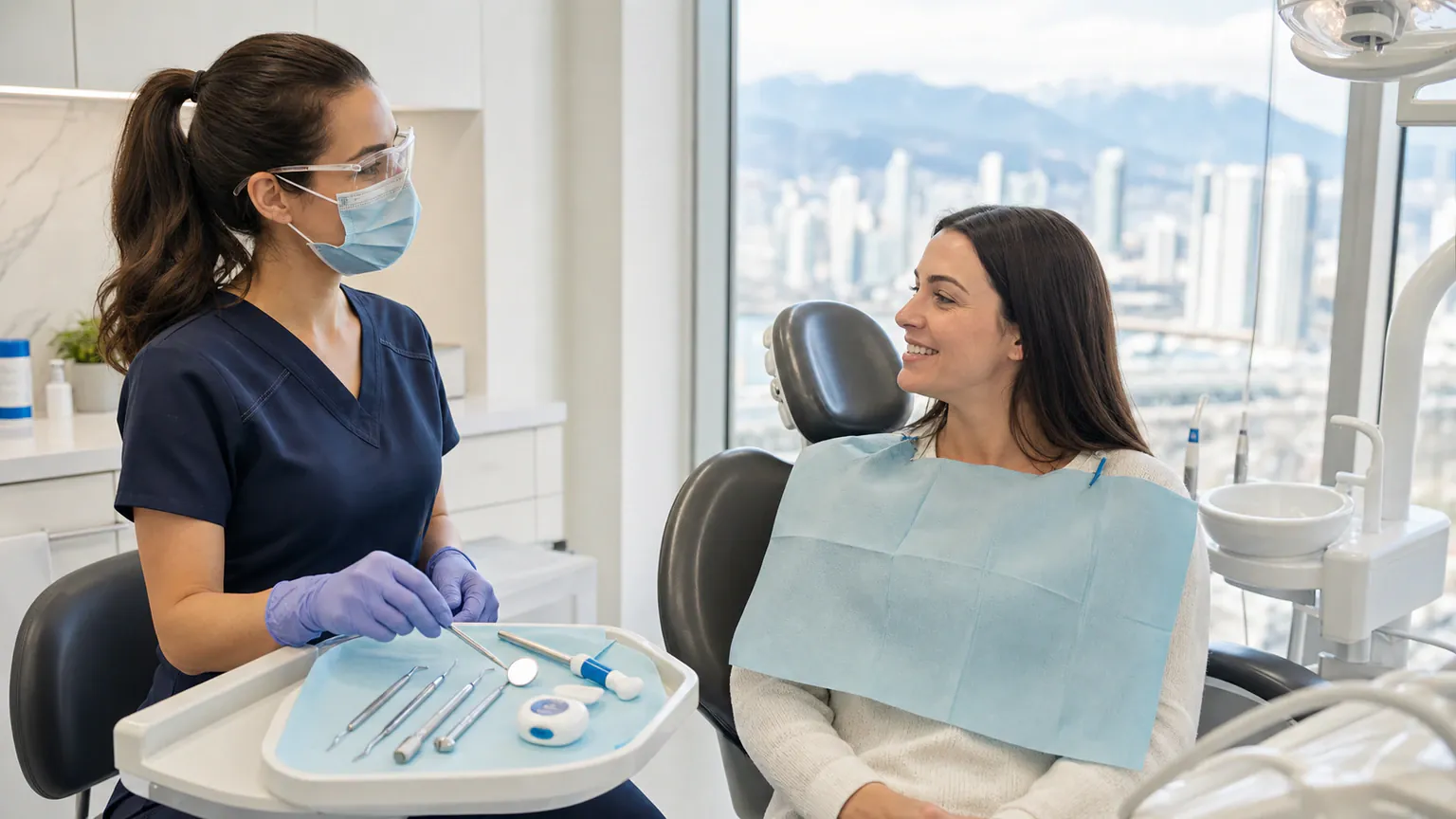
The hygienist will review your health history and ask about changes in your mouth. Mention sensitive areas, bleeding gums, a loose tooth, dry mouth, or anything that has made previous cleanings uncomfortable. Medications and health conditions matter here, particularly those that affect bleeding, healing, or infection risk.
The hygienist may also measure the spaces around your teeth. Those small numbers help show whether the gums are healthy, inflamed, or losing support. If the findings suggest gum disease, the conversation may shift from a routine cleaning to a more specific treatment plan.
What the sounds and sensations mean
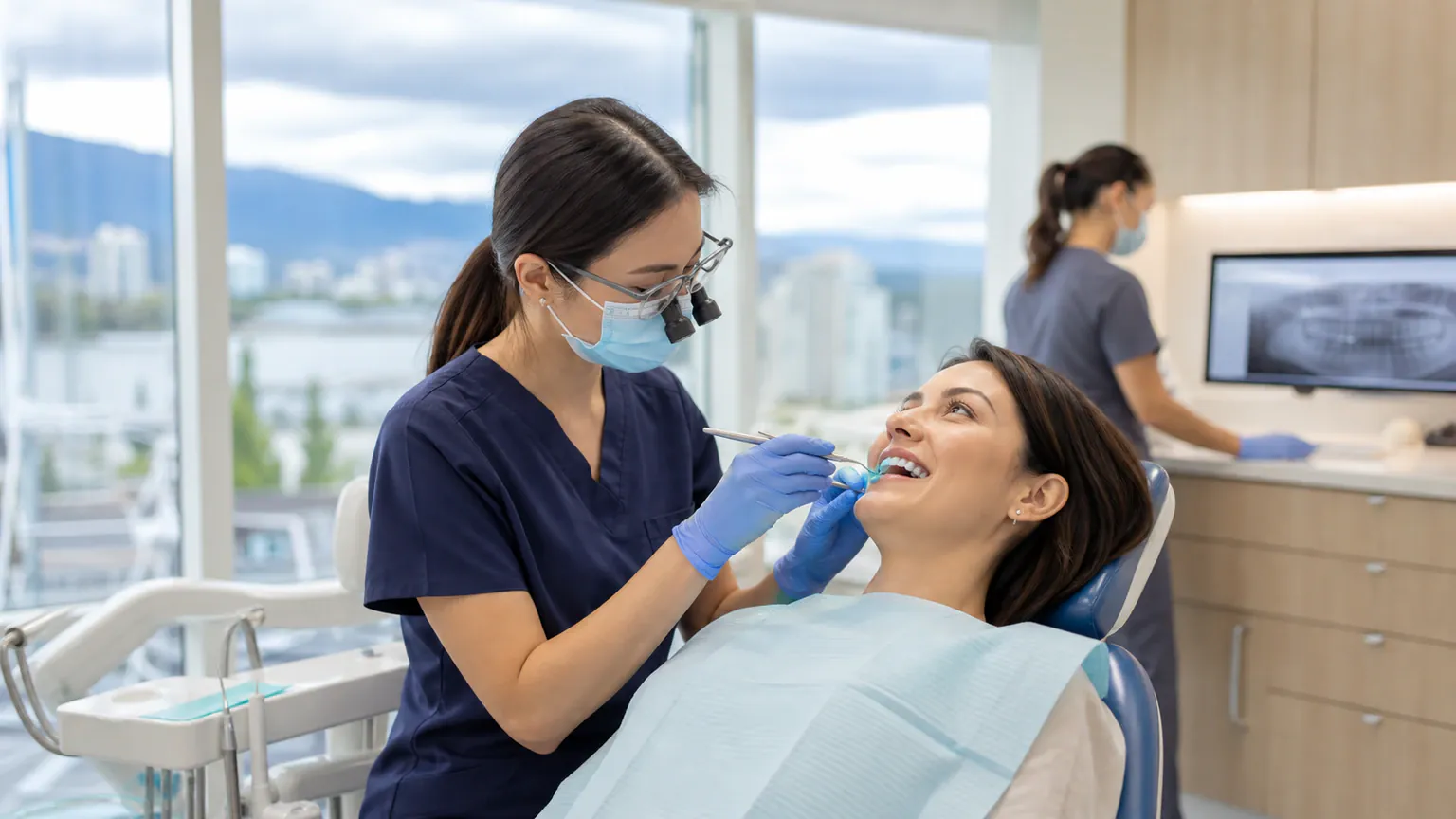
Most cleanings use a mix of hand instruments and an ultrasonic scaler. The ultrasonic instrument vibrates rapidly and sprays water to loosen deposits. Hand instruments let the hygienist work precisely around individual teeth.
You will probably hear scraping and suction. You may feel pressure, vibration, or cool water. What you should not do is sit through sharp pain without saying anything. Inflamed gums, exposed root surfaces, or heavy tartar can make a cleaning tender, and the hygienist can often adjust the instrument, pause, use a desensitizing approach, or discuss local anesthetic.
Floss or another interdental tool is usually used near the end. This clears loosened debris and gives the hygienist a practical view of how the contacts between your teeth are behaving.
Polishing may be used to remove some surface stain and leave the teeth feeling smooth. It is not the same as whitening, and it is not essential on every tooth at every visit.
Where fluoride and home-care advice fit
Fluoride varnish or gel may be recommended if you have a higher cavity risk, exposed sensitive roots, dry mouth, or another reason it could help. If fluoride is applied, follow the eating and drinking instructions you receive at the appointment.
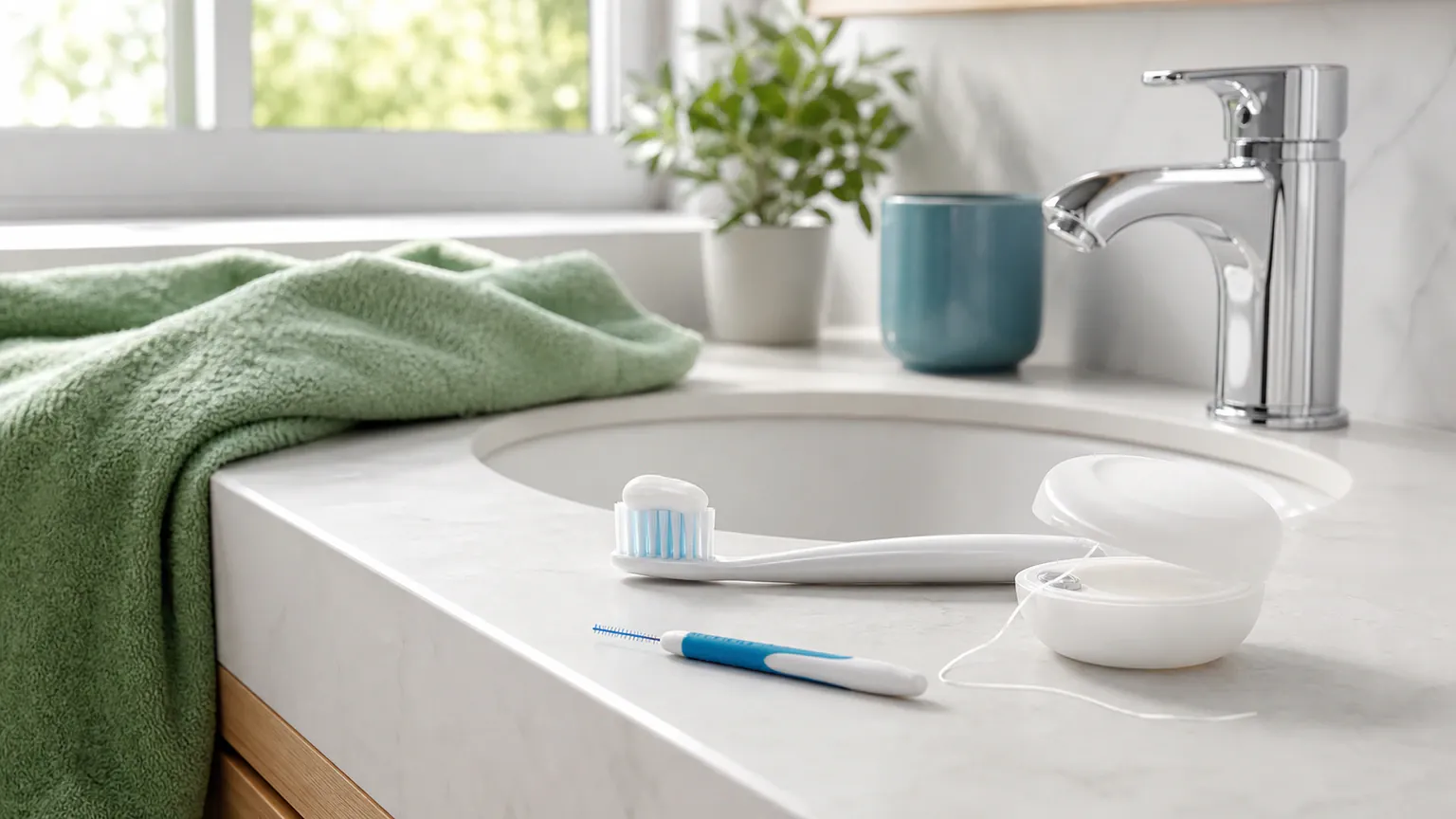
The home-care discussion should be specific. “Floss more” is not very helpful if the real problem is a tight contact, a bridge, or limited hand mobility. A useful demonstration shows you the exact spot collecting plaque and a tool that can realistically reach it.
Will your gums be sore afterward?
A routine cleaning often feels fine afterward—just noticeably smooth. Mild tenderness or brief sensitivity can happen, especially when the gums were inflamed or there was a lot of tartar.
Keep brushing gently with a soft-bristled toothbrush and fluoride toothpaste. Do not abandon the gumline because it feels tender. If you develop severe pain, increasing swelling, fever, or bleeding that will not settle, contact the dental clinic; those are not typical after-effects of a cleaning.
How often should you book?
The answer depends on how quickly tartar returns, the health of your gums, your home care, and any history of periodontal treatment. Some patients benefit from shorter intervals. Others do well with more time between visits.
If you are handed a return date without an explanation, ask what the hygienist saw. Our guide to how dental visit schedules are decided can help you make sense of the recommendation.
A good cleaning should leave you with more than polished teeth. You should know which areas need attention, what to use there, and why the timing of your next visit makes sense.
Related dental care
Sources
- Basic Dental Care — HealthLink BC
- Caring for Your Teeth — Canadian Dental Association